
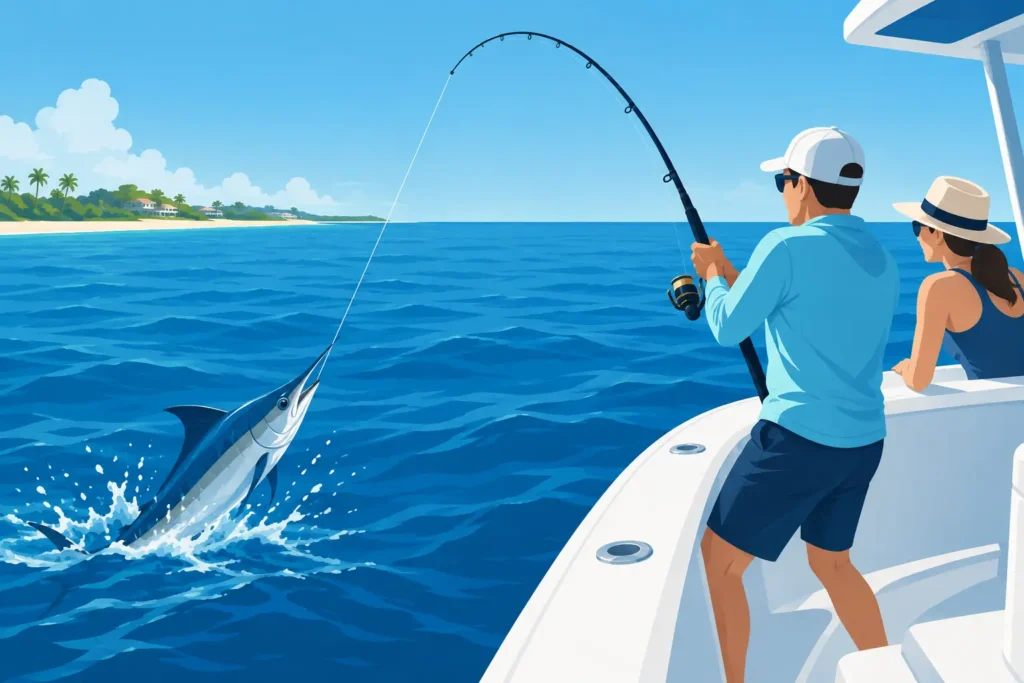
A reel starts singing, the boat turns toward open blue water, and suddenly everyone on board has a front-row seat to the kind of Cayman memory that does not fit in a souvenir bag. A deep sea fishing Grand Cayman charter is not only for seasoned anglers. It is a chance for couples, families, friend groups, and first-time fishermen to trade the beach chair for a true offshore adventure.
Grand Cayman is surrounded by deep water, which means the run from shore to productive fishing grounds can be surprisingly short. That is a major advantage when vacation time is limited. Instead of spending half the day traveling, you can settle in with a cold drink, enjoy the island views, and get ready for the first strike.
Why Deep Sea Fishing in Grand Cayman Feels Different
The island drops away quickly beneath the surface. Close to shore, clear shallows give way to deep Caribbean water where pelagic fish travel. Depending on the season, conditions, and the captain’s plan for the day, anglers may target mahi-mahi, tuna, wahoo, barracuda, and billfish.
That variety is part of the excitement, but it is worth arriving with the right mindset. Fishing is never a guaranteed catch, and the ocean sets the schedule. A good captain reads the weather, currents, bait activity, and sea conditions to make the best call possible. Some days bring steady action. Other days require patience, a change of location, or a slower troll before the right fish finds the line.
For many visitors, that is exactly what makes the experience memorable. You are not stepping into a staged attraction. You are heading out with an experienced local crew for a real day on the water, with every cast, strike, and story earned.
Choose the Charter Length That Fits Your Vacation
The best charter is not automatically the longest one. It is the one that works with your group, your comfort level, and the rest of your island plans.
A shorter trip can be a smart choice for families with younger children, cruise guests watching the clock, or anyone who wants to try offshore fishing without committing a full day. Grand Cayman’s nearby deep water makes a half-day outing feel worthwhile, especially when the weather is calm and everyone is eager to get lines in.
A longer charter gives the captain more flexibility. There is more time to work different areas, follow changing conditions, and avoid rushing back just as the bite picks up. Full-day trips are often a better fit for dedicated anglers, groups hoping to target particular species, or travelers who want fishing to be the main event of the day.
Private charters add another layer of freedom. Your group can move at a comfortable pace, ask questions, celebrate every catch, and enjoy a more personal experience. If you are traveling with mixed ages or skill levels, private time often makes the day easier because the crew can tailor their approach to the people actually on board.
What a First-Time Angler Can Expect
You do not need to arrive with a tackle box, a fishing résumé, or a perfect cast. On a professionally managed charter, the crew should explain the plan, prepare the gear, and show guests what to do when a fish takes the bait.
Trolling is common offshore, with multiple lines set behind the boat as it moves through open water. It is an exciting format for beginners because the captain and crew handle the technical setup while guests stay ready for the moment a rod bends. When that happens, the crew can guide you through the fight, from keeping tension on the line to adjusting your position at the rail.
Kids and first-timers can absolutely enjoy the experience, but expectations matter. Offshore water can be bumpy, the sun is strong, and there may be stretches without a bite. Bring a spirit of adventure rather than a scoreboard. The best trips include the ocean views, the chance to spot flying fish or sea birds, the laughter between strikes, and the shared excitement when someone finally hears, “Fish on.”
The Best Time to Go Depends on Your Priorities
There is no single bad time to fish in Grand Cayman, but certain species and conditions can be more likely at different times of year. Mahi-mahi are often a favorite target during spring and early summer, while tuna, wahoo, and other offshore species may appear throughout the year depending on water conditions and bait patterns.
Weather matters more than a calendar date. Wind direction, wave height, recent rain, and changing currents can all influence both comfort and fishing conditions. If your vacation schedule allows, reserve your fishing charter early in your stay. That gives you room to move the trip if the captain recommends a different day for safety or a better experience.
Morning departures are popular because temperatures are cooler and the water can be calmer before afternoon breezes build. Still, an afternoon charter can be a great option for travelers who prefer a slow resort morning or want a sunset-colored ride back to shore. Ask your charter team what they recommend for your group and the conditions expected that week.
Come Prepared, Then Let the Crew Handle the Rest
Fishing charters should feel easy from the moment you arrive. Wear lightweight clothing that can handle spray, a hat that stays secure in the wind, and polarized sunglasses if you have them. Polarized lenses reduce glare and make it easier to watch the water.
A few small items can make a noticeable difference:
- Reef-safe sunscreen and lip balm for long stretches under Caribbean sun
- Motion-sickness medication if anyone in your group is prone to seasickness
- A light cover-up or long-sleeve fishing shirt for sun protection
- A phone or camera with a secure strap or waterproof case
Eat a light meal beforehand and stay hydrated. Avoid overdoing it the night before, especially if you are not used to being on a moving boat. If you feel uneasy once offshore, tell the crew early. They can often suggest a place to sit, keep you focused on the horizon, and help you stay comfortable.
Before confirming a trip, ask what is included. Many charters provide the rods, reels, bait, tackle, safety equipment, and refreshments needed for the day. It is also wise to ask how fish handling works, whether catch can be kept when regulations and conditions allow, and what the crew recommends for children or non-fishing guests.
Safety Makes the Adventure Better
The most exciting offshore days begin with good preparation. A quality crew will cover basic boat safety, point out life jackets and equipment, explain where to move while fishing, and give clear instructions when lines are deployed or a fish is being brought aboard.
Listen closely when the captain speaks, especially around hooks, rods, and the boat’s stern. Keep children within easy reach of an adult, wear shoes with reliable grip, and let the crew handle fish with teeth, bills, or sharp spines. These simple habits help everyone stay relaxed enough to enjoy the action.
At Sea Breeze Charters & Jet Ski Tours, the same guest-first approach that makes a day on the water feel effortless matters offshore too: experienced guidance, properly prepared equipment, and a crew that wants every guest to feel welcome from the dock to the ride home.
Make It Part of a Bigger Cayman Day
A fishing charter can stand on its own, but it also pairs beautifully with a relaxed island itinerary. Plan a leisurely dinner afterward, especially if your group needs time to cool down, swap photos, and relive the big strike. If you are hoping to keep fish, speak with the crew before the trip about the best way to enjoy your catch responsibly.
Do not try to cram too much into the same day. Offshore fishing calls for an early start, sun exposure, and plenty of energy. Save snorkeling, a jet ski ride, or an evening out for another day when you can enjoy each experience without watching the clock.
Book with realistic expectations, bring people who enjoy being on the water, and trust the local crew to make decisions based on the day’s conditions. The next tug on the line may be the story your group talks about long after the vacation tan fades.