
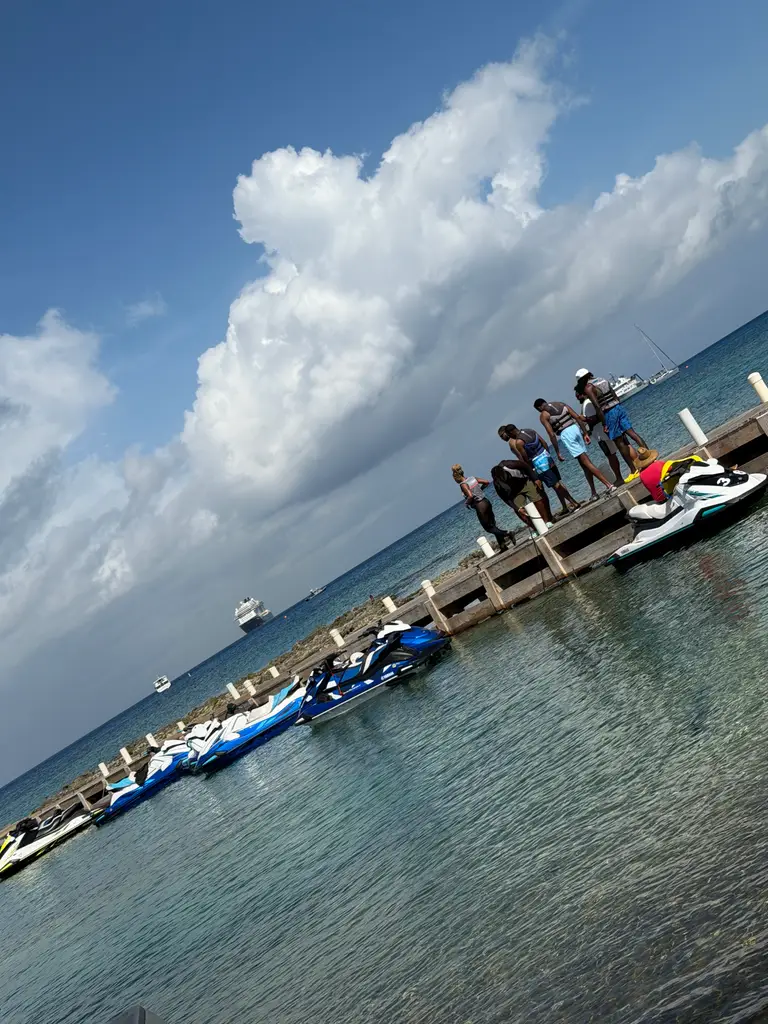
The best jet ski memories are usually simple: clear water below, salt in the air, and a first look at places that are hard to reach from shore. But are jet ski tours safe? For most guests, they can be a safe, exciting way to see the water when the trip is professionally run, conditions are suitable, and everyone rides within their comfort level.
A jet ski is not a theme-park ride. It is a powerful personal watercraft, and good decisions matter. The right operator turns that responsibility into a well-managed experience with clear instruction, properly fitted safety gear, local knowledge, and a guide who is watching the water as closely as the guests are enjoying it.
What Makes a Jet Ski Tour Safer?
Safety starts long before the engine starts. A reputable tour provider assesses the day’s weather and water conditions, checks equipment, explains how the jet ski handles, and sets expectations for the route. If wind, chop, visibility, or other conditions are not right for the planned outing, the itinerary may need to change or the trip may need to wait. That is not a disappointment – it is good judgment.
Guided tours add another layer of reassurance, especially for first-time riders. Your guide knows the local channels, shallow areas, boat traffic patterns, and the pace that works for the group. In Grand Cayman’s North Sound, that knowledge is particularly valuable. The water can look beautifully calm in one area while wind or shallow sections create different considerations farther along the route.
The most reliable tours also keep groups manageable. Guests should have enough room to ride without feeling rushed, but stay close enough that the guide can communicate, spot issues early, and help if someone needs a break. A sightseeing tour should feel like an island adventure, not a race.
A Safety Briefing Is More Than a Quick Speech
Before departure, every rider should receive a clear orientation. It should be understandable, practical, and delivered without making beginners feel embarrassed for asking questions. If you have never driven a personal watercraft, say so. A good instructor would always rather spend an extra few minutes helping you feel confident than have you figure things out at speed.
The briefing should cover how to start and stop, accelerate smoothly, steer, maintain a safe following distance, and turn without cutting too sharply. Riders should also learn how to use the engine shut-off lanyard, what to do if they fall off, and why they should never put their hands or feet near moving parts.
One lesson surprises many new riders: jet skis steer using water propulsion. If you release the throttle completely, you lose much of your steering control. That does not mean you should speed up in a stressful moment. It means smooth throttle control, looking where you want to go, and giving yourself plenty of room are essential.
Your crew should also explain tour signals and stopping procedures. A raised hand, an arm direction, or a signal to slow down can mean the group is approaching a shallow area, boat wake, marine life, or another vessel. Paying attention to the guide is part of being a good riding partner.
The Rider Matters Just as Much as the Route
Even the most experienced guide cannot make choices for every guest. Safe riders stay alert, follow the pace set for the group, and resist the urge to show off. The goal is to get everyone to the next beautiful stop with plenty of energy left to enjoy it.
That means no alcohol or drugs before riding, no distracting phone use while underway, and no aggressive turns near other watercraft. It also means being honest about how you feel. If you are nervous, tired, sore, or uncomfortable in choppy water, let the guide know. There is no prize for pretending that you are having fun when you are not.
Passengers have a role, too. They should keep both feet where instructed, hold on securely, move carefully when getting on or off, and avoid sudden shifts in weight. For couples and families, the driver should ride with the passenger’s comfort in mind. A smooth, predictable pace is more enjoyable for everyone than a fast, bumpy run.
Are Guided Tours Safer Than Private Jet Ski Rentals?
For beginners, families, and travelers who want to focus on the scenery, a guided tour is usually the more comfortable choice. You have a planned route, an experienced local guide, and support nearby throughout the excursion. That structure is ideal for sightseeing stops such as Stingray City, Starfish Point, Rum Point, shallow reefs, and snorkeling areas.
Private jet ski rentals can also be a great option for confident riders who want more freedom. The trade-off is that you take on more responsibility for navigation, spacing, time management, and reading the water. A professional orientation and a clear drop-off location are still essential, but independent riders need to be especially disciplined about boundaries and local instructions.
Neither option is automatically right for every guest. Choose a guided experience if it is your first time, if you are traveling with younger or less confident passengers, or if you want a host to lead the day. Consider private time if you are already comfortable operating a personal watercraft and prefer to cruise at your own pace within the approved area.
Weather and Water Conditions Can Change the Plan
Sunny skies do not always equal easy riding. Wind direction, wave height, recent weather, currents, visibility, and boat traffic all influence the experience. A morning that feels calm from the beach can look different once you are farther out on open water.
Experienced crews monitor these details and adjust accordingly. Sometimes that means taking a more protected route, slowing the group down, changing the order of stops, or shortening time in a particular area. On rare occasions, it means postponing the ride. Flexibility protects the fun – because a safe trip is one guests can enjoy rather than endure.
Guests can help by dressing for the conditions. Secure sunglasses, use reef-safe sun protection where appropriate, and wear clothing that is comfortable when wet. Hydration matters in the Cayman sun, even when the breeze makes the heat easy to underestimate. Bring your sense of adventure, but leave loose valuables behind or store them in approved dry storage.
A Quick Pre-Ride Check for Guests
Before heading out, take a moment to make sure you can answer yes to these questions:
- Do I understand the guide’s signals, route, boundaries, and expected pace?
- Is my life jacket fitted properly and securely fastened?
- Do I know how to use the shut-off lanyard and what to do if I fall off?
- Am I comfortable riding today, and have I told the crew about any concerns?
If the answer to any of these is no, pause and ask. A patient crew will welcome the question.
What to Expect From a Quality Operator
A well-run excursion makes safety feel organized, not intimidating. You should expect maintained equipment, properly fitted life jackets, a clear safety orientation, and staff who know the route and the local conditions. You should also expect the crew to set firm rules when necessary. The most guest-focused guides are not the ones who say yes to every request – they are the ones who protect the experience when conditions call for caution.
At Sea Breeze Charters & Jet Ski Tours, the aim is to make Cayman’s most popular water stops accessible for newcomers and exciting for seasoned riders alike. That begins with experienced guidance and continues with an itinerary paced for real vacation enjoyment, not pressure.
Jet ski tours are safest when guests and crew work as a team. Listen closely, ride smoothly, respect the water, and choose the experience that matches your confidence. Then you can spend less time worrying about the ride and more time looking up at that impossible Caribbean blue.